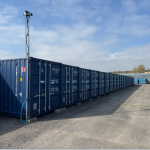

Storage unit costs in the UK vary depending on the space you need, where the facility is based, how long you need storage for, and the insurance cover required for your items.
For most people, the best way to estimate cost is to work out what affects pricing and how much room their belongings will take up. This guide explains the main cost factors and helps you plan your storage budget without relying on broad price ranges that may not match your needs.
How much does a storage unit cost in the UK?
Storage unit costs in the UK vary based on size, location, rental length, access, security, and insurance requirements.
A small unit used for a few boxes will cost far less than a larger unit storing the contents of a full home. Location also affects price, with storage in busy city areas often costing more than storage in smaller towns or less central areas.
Rather than focusing only on a fixed price, it is more useful to work out what you need to store, how long you need the unit, and whether you need regular access. This helps you choose a unit that fits your belongings without paying for space you do not need.
What affects storage unit costs in the UK?
Storage costs are shaped by a mix of space, location, rental time, access needs, and required insurance cover.
The size of the unit is usually the biggest factor. Larger units cost more because they provide more room for furniture, boxes, stock, or equipment. Location also matters, as facilities in high-demand areas tend to charge more.
The length of time you rent the unit can affect pricing too. Some customers only need short-term storage during a house move, while others need longer-term space for business stock, tools, furniture, or seasonal items.
Access can also affect what you pay. Some storage providers may charge differently depending on opening hours, unit type, or access arrangements, so it is worth checking what is included before booking.
Security and site management can play a part in pricing as well. At Sentry Self Storage, CCTV records 24/7 across all sites and alarms are monitored 24/7. These measures are part of the service customers receive.
Insurance is another cost to consider. Sentry Self Storage requires customers to have insurance cover in place for stored belongings, so this should be included when working out your total storage cost.
How does storage unit size affect the price?
Storage unit size has a direct impact on cost because larger units provide more space and usually cost more.
Choosing the right size matters because paying for unused room can increase your bill. At the same time, choosing a unit that is too small can make it harder to access your belongings or may mean you need to move into a larger unit later.
A well-sized unit gives you enough room to store items safely while keeping costs sensible. If you are unsure, it is usually better to ask the storage team for advice before booking.
How much storage do you need for a 3 bedroom house in the UK?
A 3 bedroom house often needs a medium to large storage unit, with around 110 sq ft being a useful starting point for many full-house storage needs.
The exact size depends on how much furniture, white goods, boxed items, and garden or garage items you need to store. If you are storing the full contents of the home, you will need more space than if you are only storing selected items during a move, renovation, or declutter.
A 110 sq ft unit may suit many customers storing the contents of a typical 3 bedroom home, but larger furniture, bulky wardrobes, outdoor items, or a high number of boxes may mean you need more room.
Many people reduce costs by decluttering before moving items into storage. Selling, donating, or recycling items you no longer need can reduce the unit size required and lower the total cost.
How much storage do you need for a 4 bedroom house in the UK?
A 4 bedroom house usually needs a larger storage unit, often above 110 sq ft depending on the amount of furniture and boxed belongings being stored.
Larger homes tend to include more beds, wardrobes, sofas, appliances, storage furniture, and personal items. This means the space needed is usually greater than for a 3 bedroom property.
If you are storing everything during a house move, the unit should allow room for bulky furniture as well as stacked boxes. For long-term storage, careful packing can help make better use of the space and keep costs under control.
If you are unsure between two unit sizes, speak to the storage team. They can help you estimate the right size based on your item list and avoid paying for far more space than you need.
Is storage cheaper than renting commercial or residential space?
Storage is often more cost-effective than renting extra property because it avoids many of the costs linked to leases.
Traditional spaces can involve long-term commitments, maintenance costs, deposits, business rates, service charges, and utility bills. Storage is usually more flexible. You pay for the space you need and can change it as your situation changes.
This makes storage a practical option for households that need extra room during a move or renovation, and for businesses that need space for stock, tools, archives, furniture, or equipment without committing to larger premises.
How can you reduce storage costs?
You can reduce storage costs by choosing the right unit size, packing well, and only storing items you actually need to keep.
One of the most effective ways to save money is to choose the correct unit size from the start. Packing items efficiently and removing anything you no longer need can reduce the amount of space required.
Shortening the rental period where possible also helps keep costs down. If you only need storage for a move, renovation, or short business project, plan your dates carefully so you are not paying for storage longer than needed.
Location can make a difference too. Facilities outside major city centres may offer better value while still being easy to reach.
It is also worth checking what is included in your quote. Insurance, locks, packaging materials, and transport can all affect your total cost, even if the unit price itself looks affordable.
When is storage most cost-effective?
Storage is most cost-effective when it gives you flexible space for a clear reason.
It works well during house moves, renovations, student moves, downsizing, probate, or periods where you need to clear space at home for a short time. It can also help businesses store stock, documents, tools, event equipment, or seasonal items without moving to larger premises.
Storage may become less cost-effective if it is used for years without reviewing what is inside the unit. A regular check of stored items can help you decide what to keep, sell, donate, or move back home.
Need help estimating your storage costs?
The best way to estimate your storage cost is to get advice based on what you plan to store.
Sentry Self Storage can help you choose the right unit size and explain how pricing works based on your needs. A team member can also talk you through insurance requirements, access arrangements, and any packing materials you may need.
Speaking to the team or requesting a quote gives you a clearer idea of cost before you book. This helps you pay for the right amount of space, with the flexibility to adjust if your needs change.